Watch a toddler for long enough and you will see them pretend. A spoon becomes a phone, a teddy needs a nappy change and the cardboard box is a car. Pretend play, also called role play or imaginative play, is one of the most natural things children do. It is also one of the most valuable, and it needs very little equipment. Here is how it develops and how you can encourage it.
Why pretend play matters
When children pretend, they practise a huge range of skills at once:
- Language. Acting out a story means finding the words for it, and children often use new vocabulary they have heard from adults.
- Empathy. Caring for a doll or playing "doctor" helps children think about how someone else feels.
- Problem solving. The baby is crying, the café has run out of cake: what now?
- Social skills. Playing with others means taking turns, sharing roles and agreeing on the rules.
- Making sense of life. Children often act out new experiences, such as a new baby, starting nursery or a trip to the dentist.
How pretend play changes with age
12 to 18 months: copying
The first signs of pretend play are simple copying. Your baby holds a toy phone to their ear, stirs an empty cup or pretends to drink. Join in and they will love it.
18 months to 2 years: caring for others
Toddlers start to include toys in their play. They feed teddy, put dolly to bed and push the pram around the house. This is a lovely age for a first doll stroller.
-
Our brand
Fash N Kolor
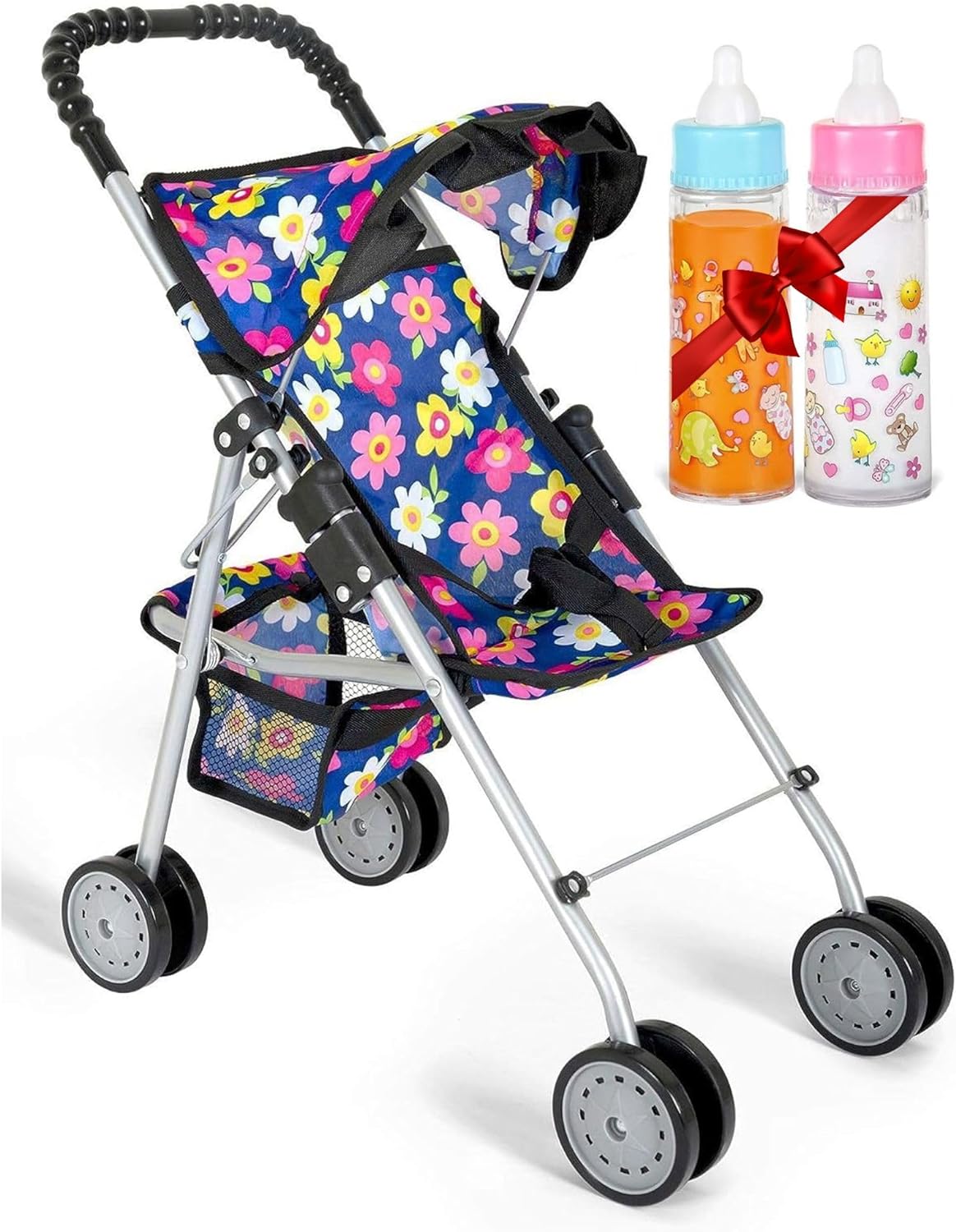
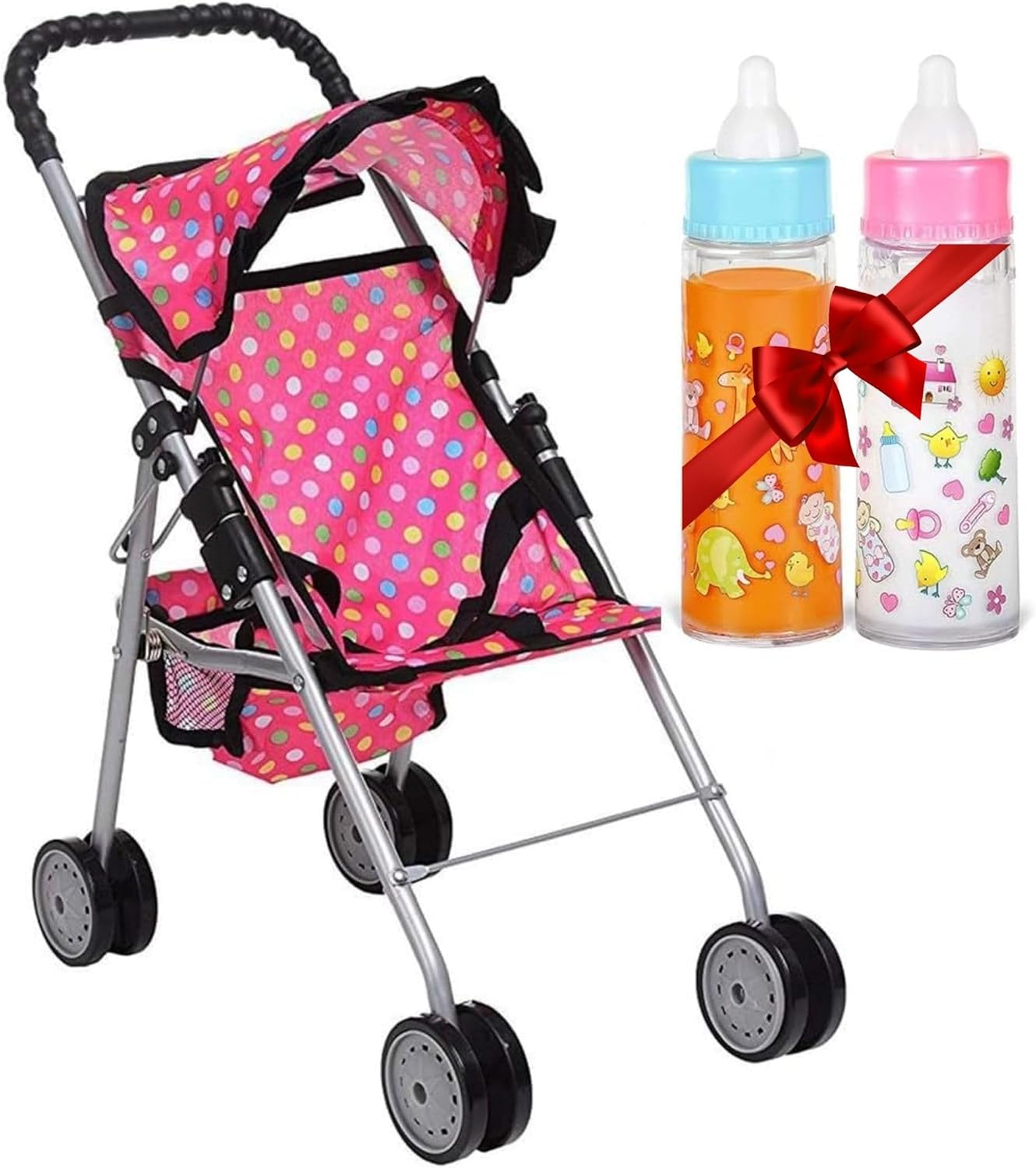
Fash N Kolor Doll Stroller with Basket
£25.99
Dispatched within 1 working day
A light, foldable first doll stroller from our own Fash N Kolor range, easy for toddlers to push and steer. View product
2 to 3 years: little routines
Children now act out whole routines in sequence: breakfast, a walk, a nap. They love having the "proper" equipment, and they often narrate as they play.
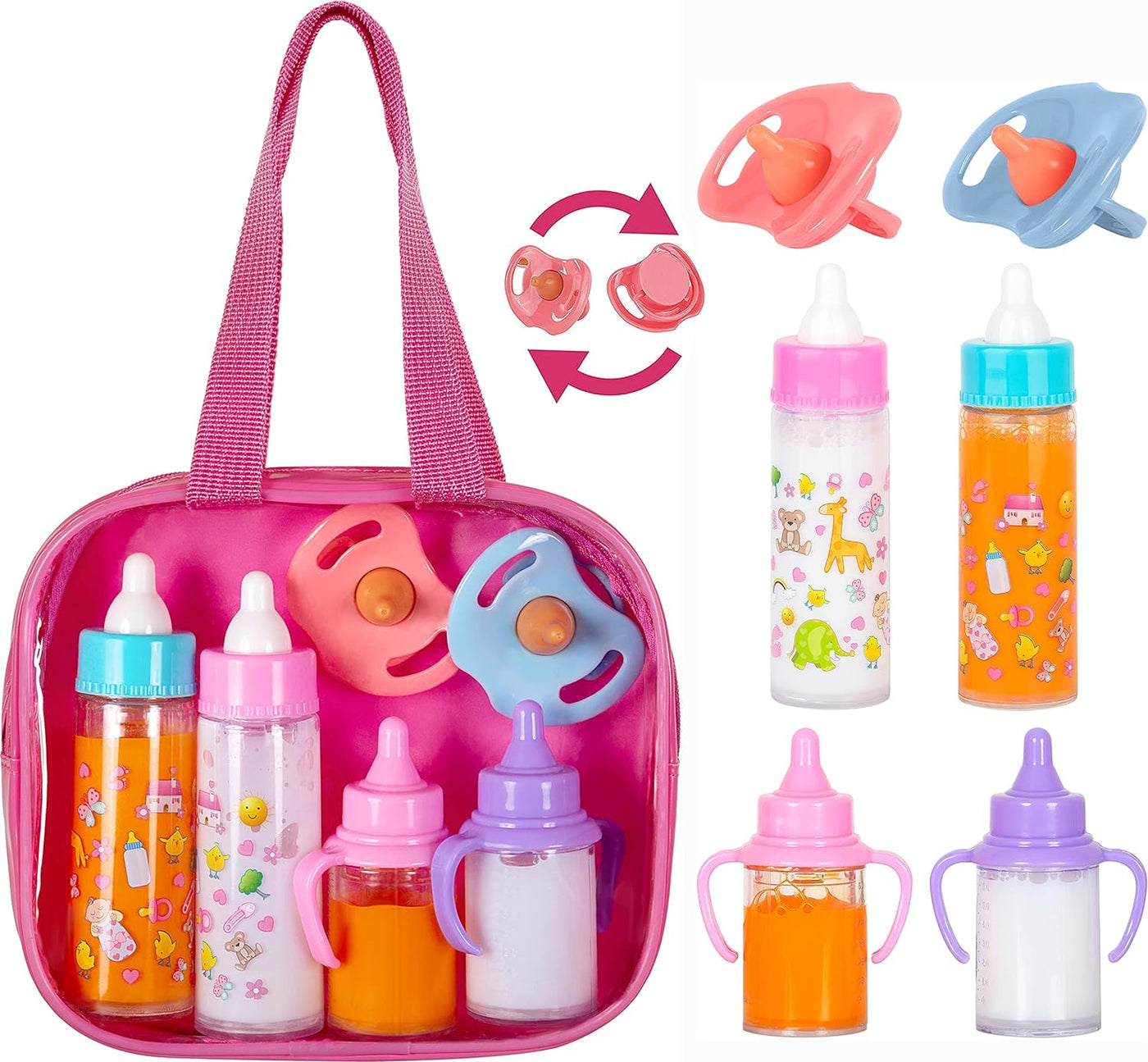
Bottles with milk that disappears as they tip, plus dummies and accessories. Perfect for feeding time routines. View product
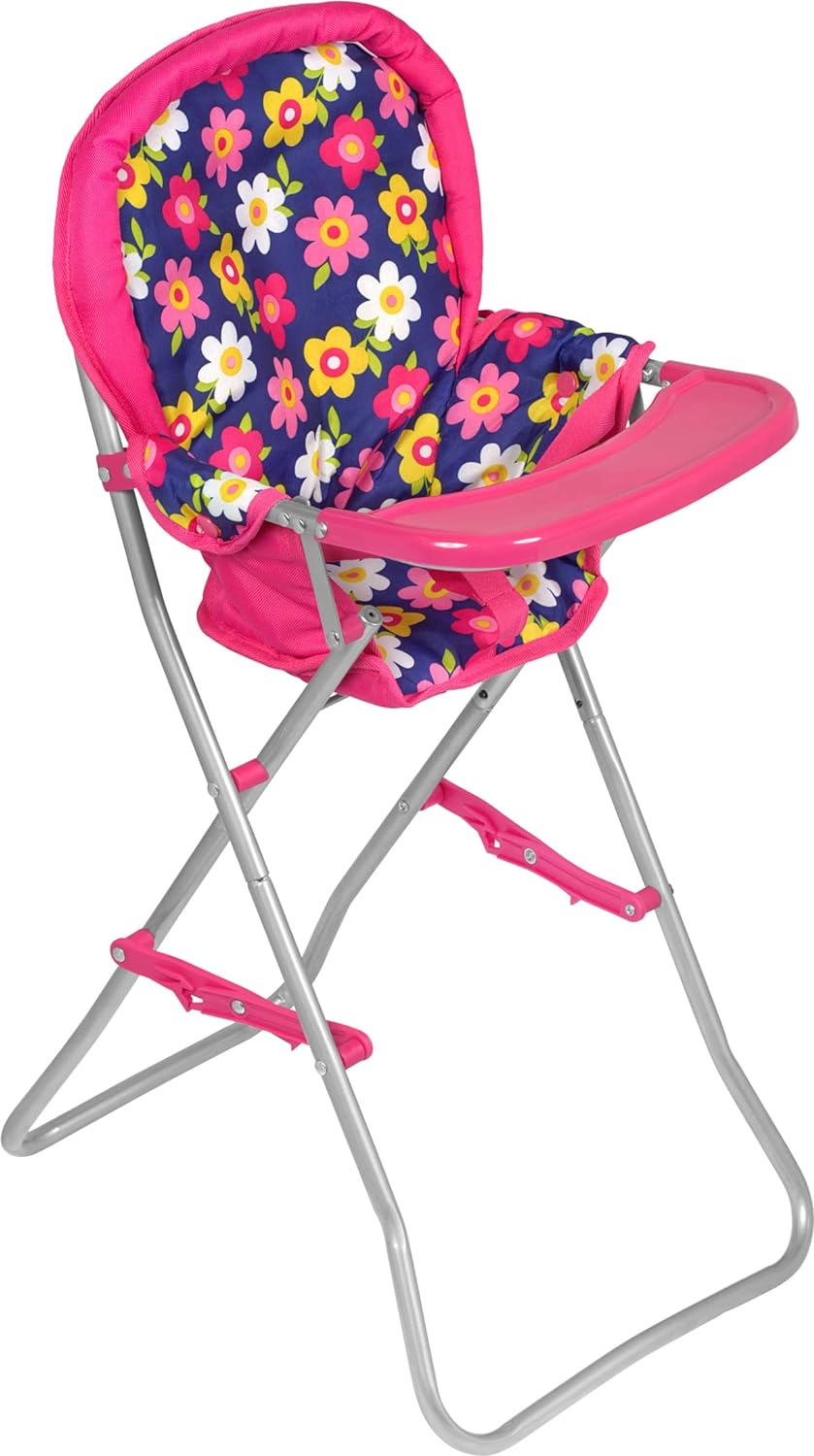
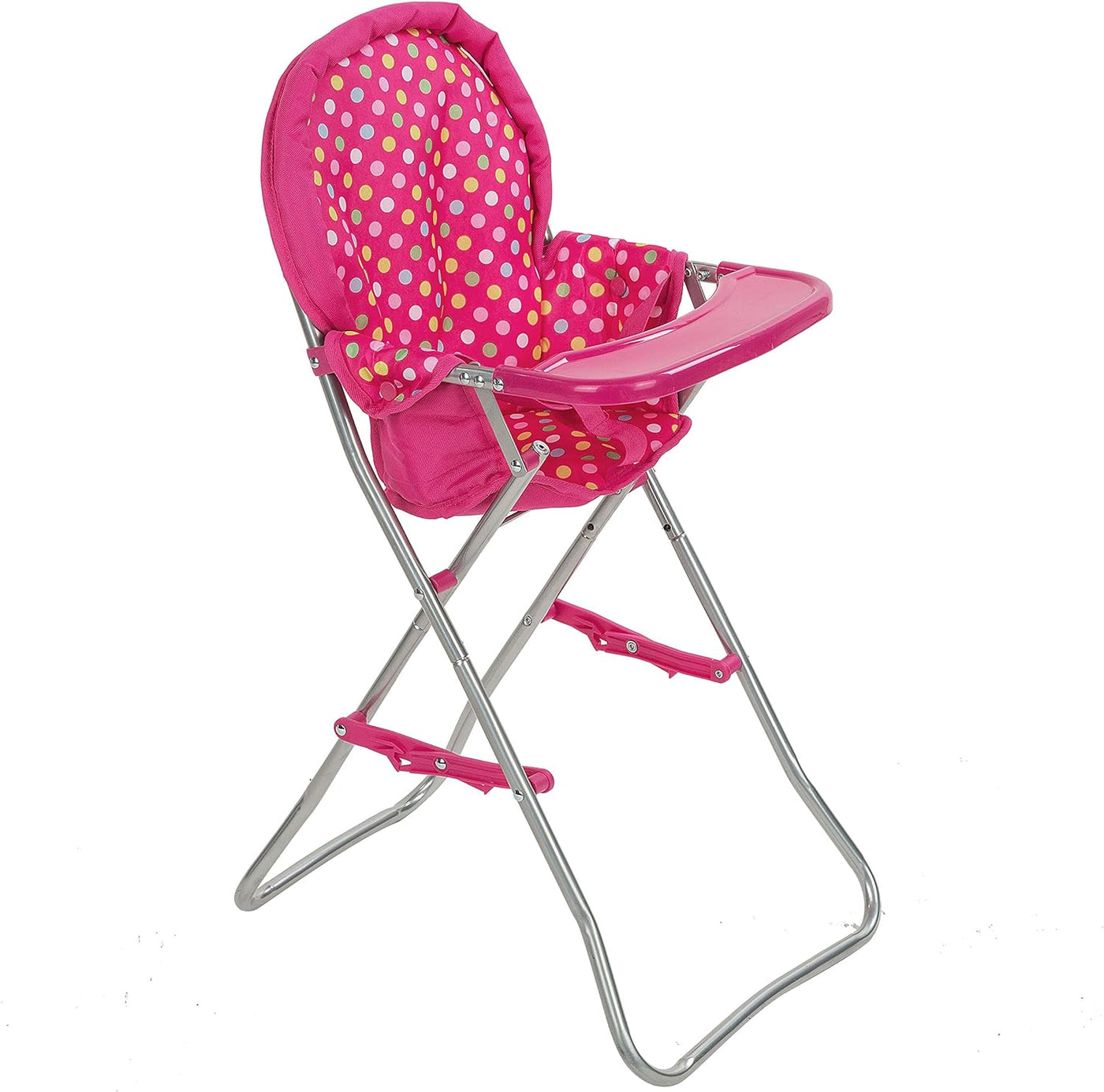
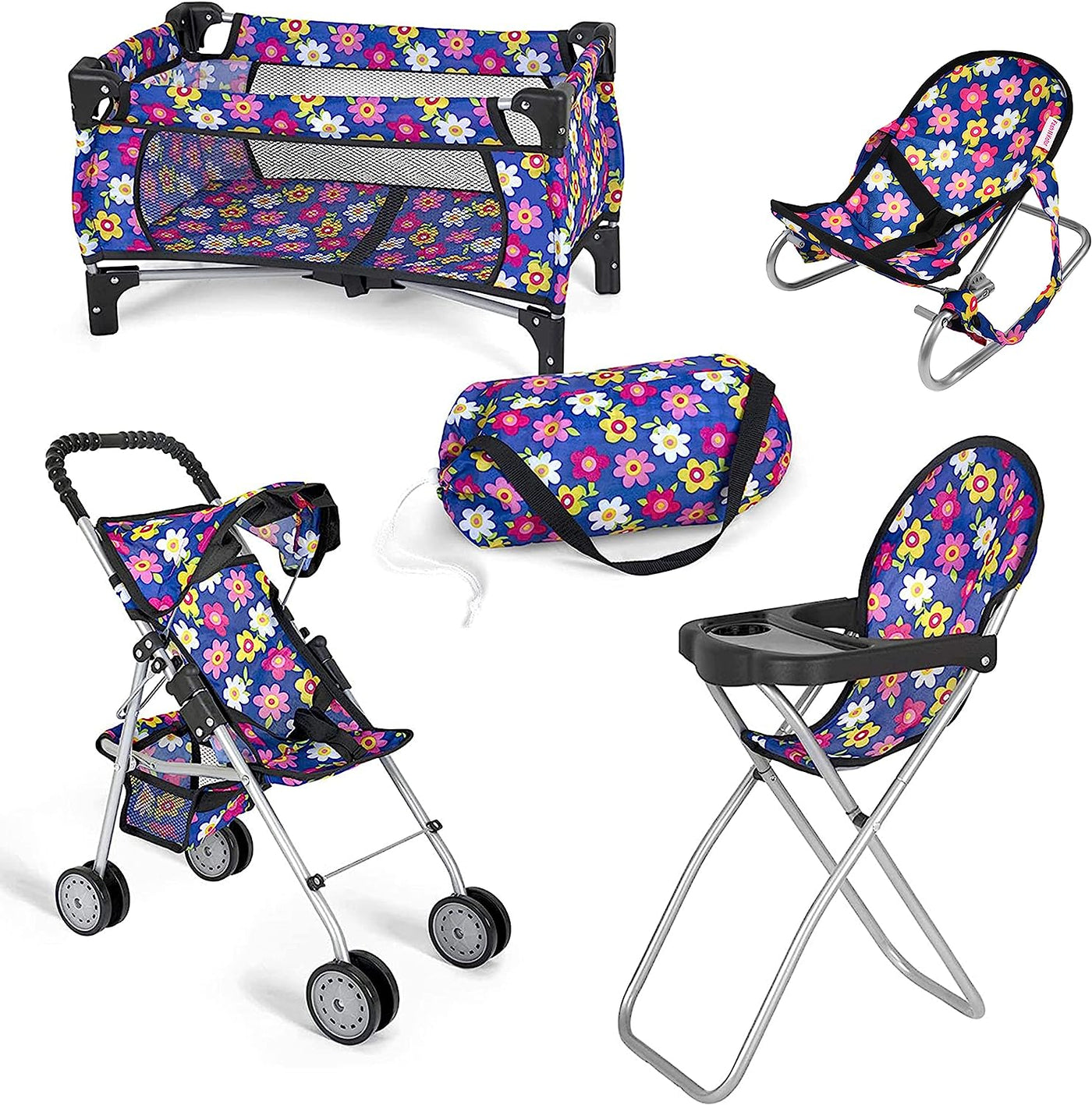
A foldable doll high chair with a tray and flower print that fits dolls up to 18 inches. View product
3 to 5 years: stories and characters
Pretend play gets more elaborate. Children take on characters, invent stories and play with friends. Dressing up, shops, cafés, hospitals and families are all favourites. Many children love toys that look just like the real thing.
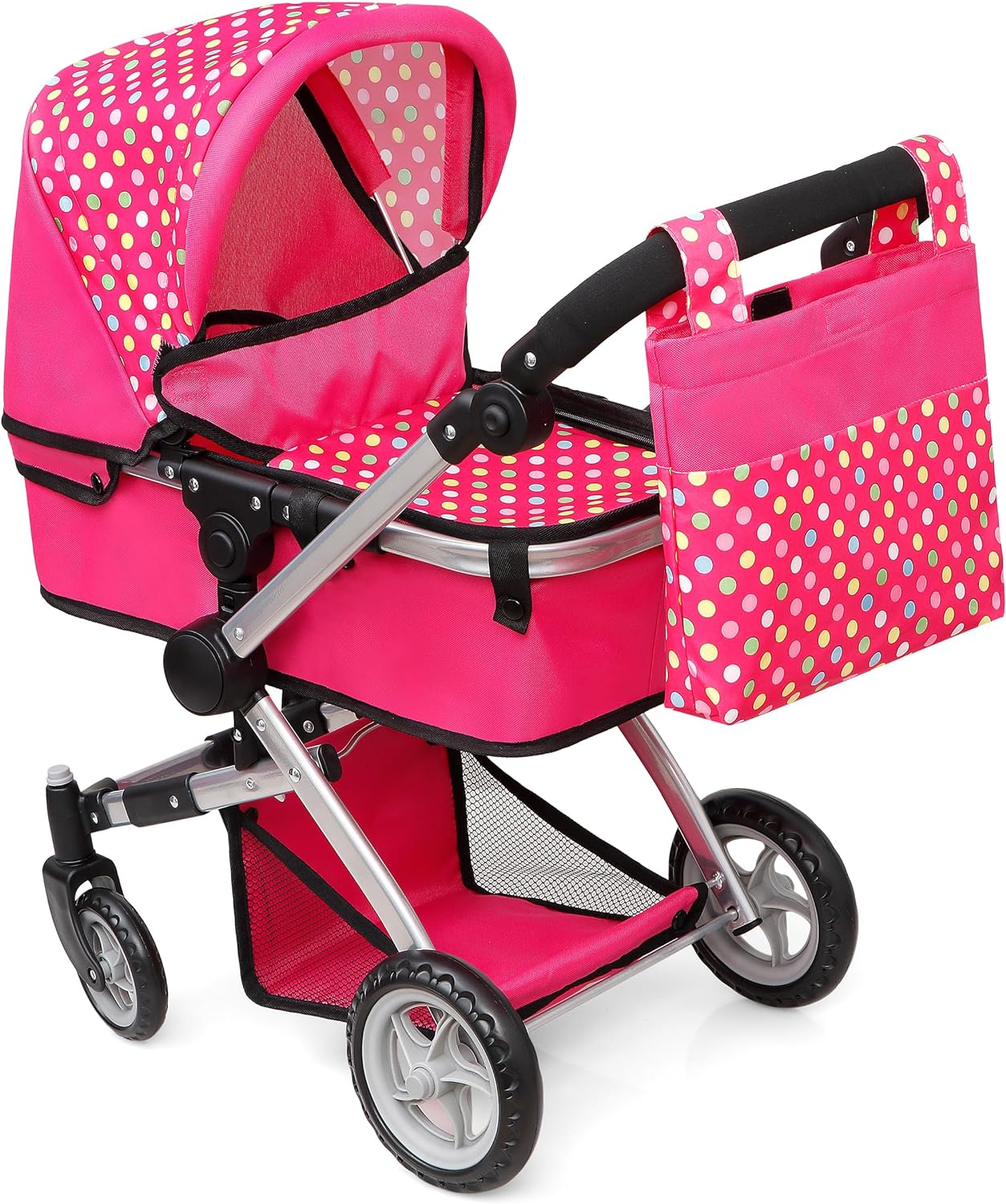
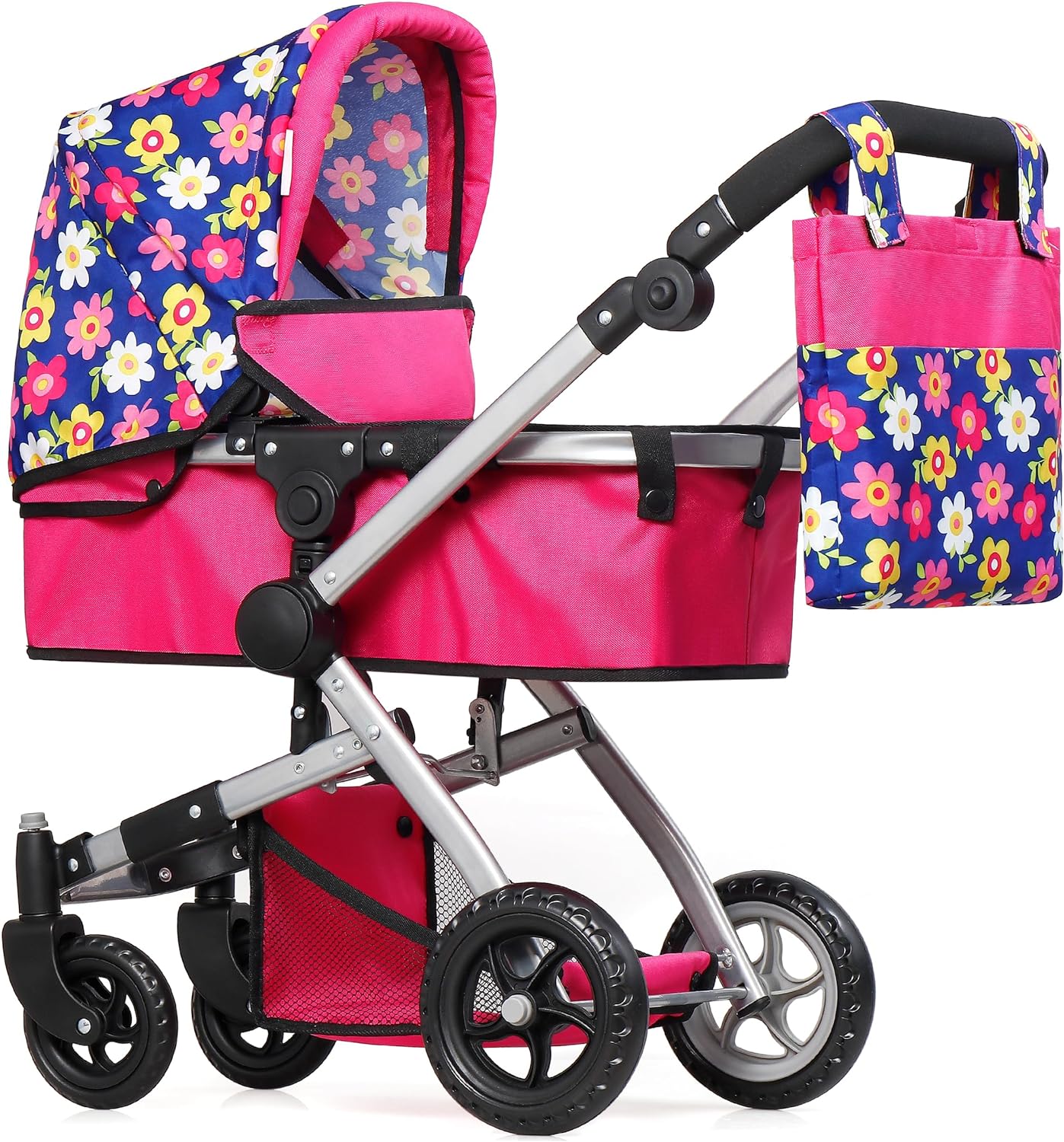
Our bestselling Fash N Kolor doll's pram with a cushioned carrycot, swivel wheels, an adjustable handle and a changing bag. View product
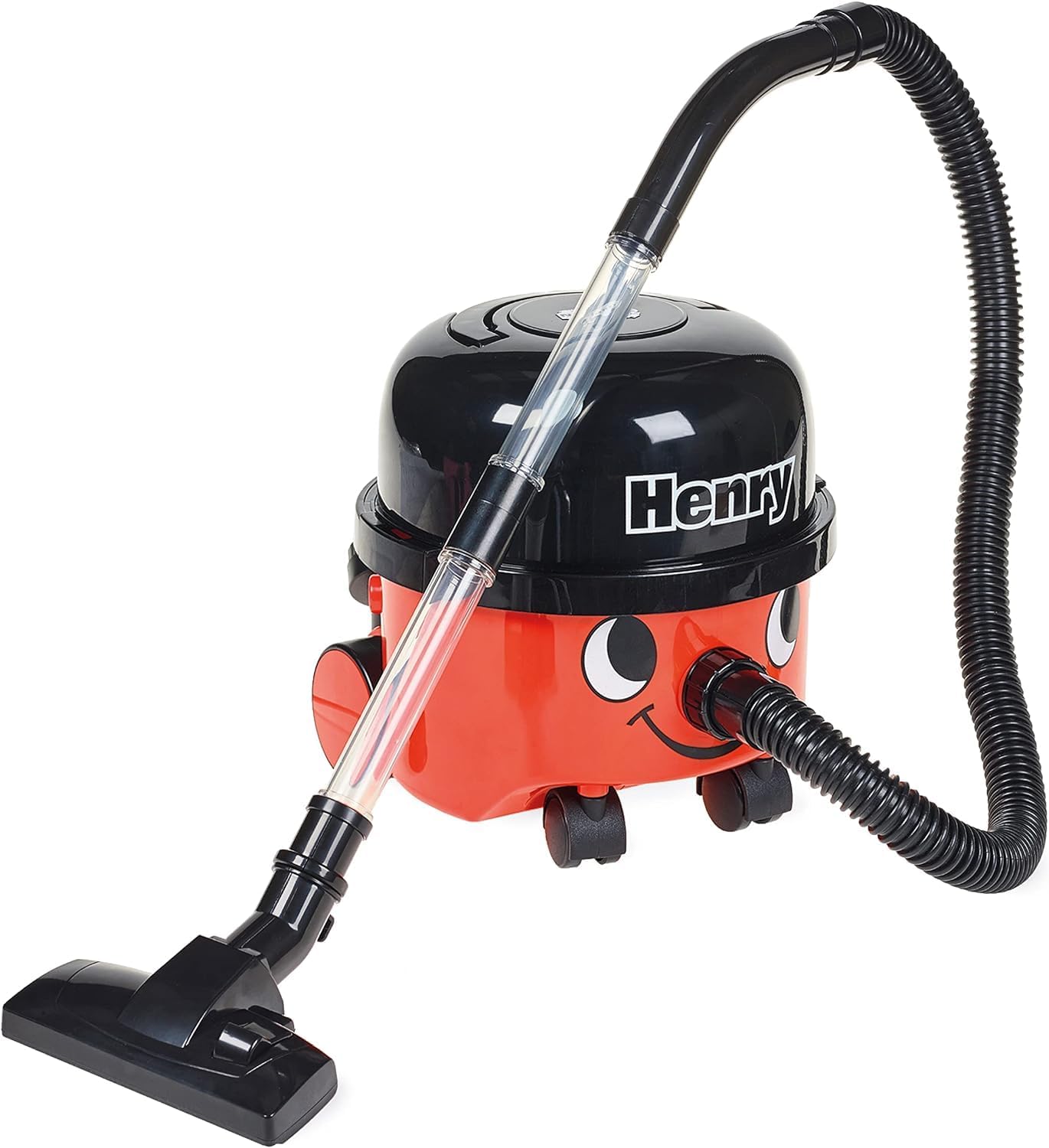
A toy Henry hoover with real suction. Helping around the house is one of the most popular games for this age. View product
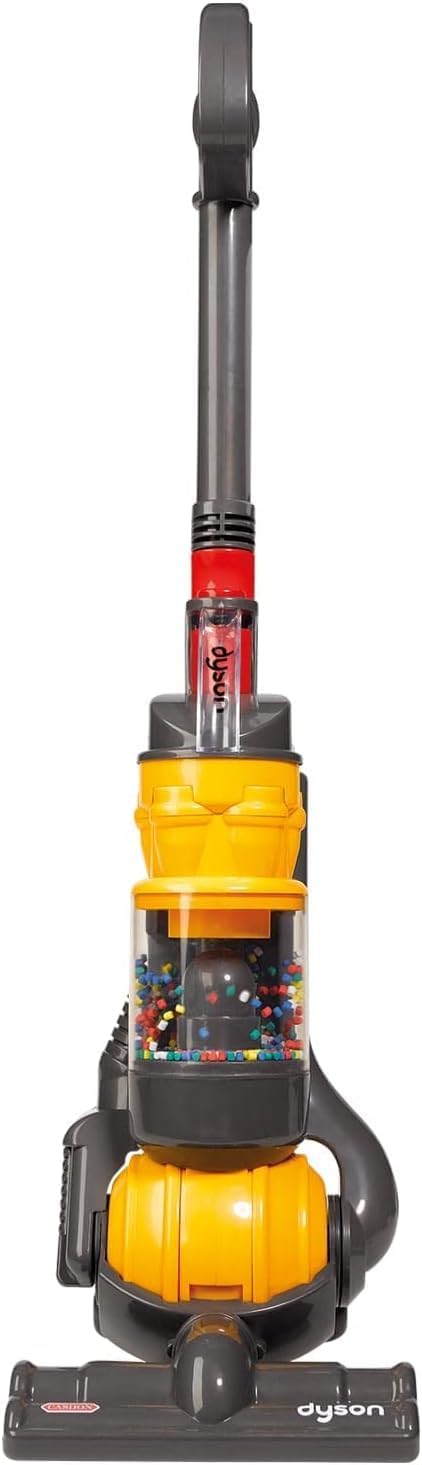
A miniature Dyson Ball toy with a twist-and-turn action and whizzing coloured balls, for children aged 3 and up. View product
5 to 8 years: small worlds and big plans
Older children often move to "small world" play with figures, dolls and playsets, where they direct the action. They may create whole worlds, with rules and long-running stories.
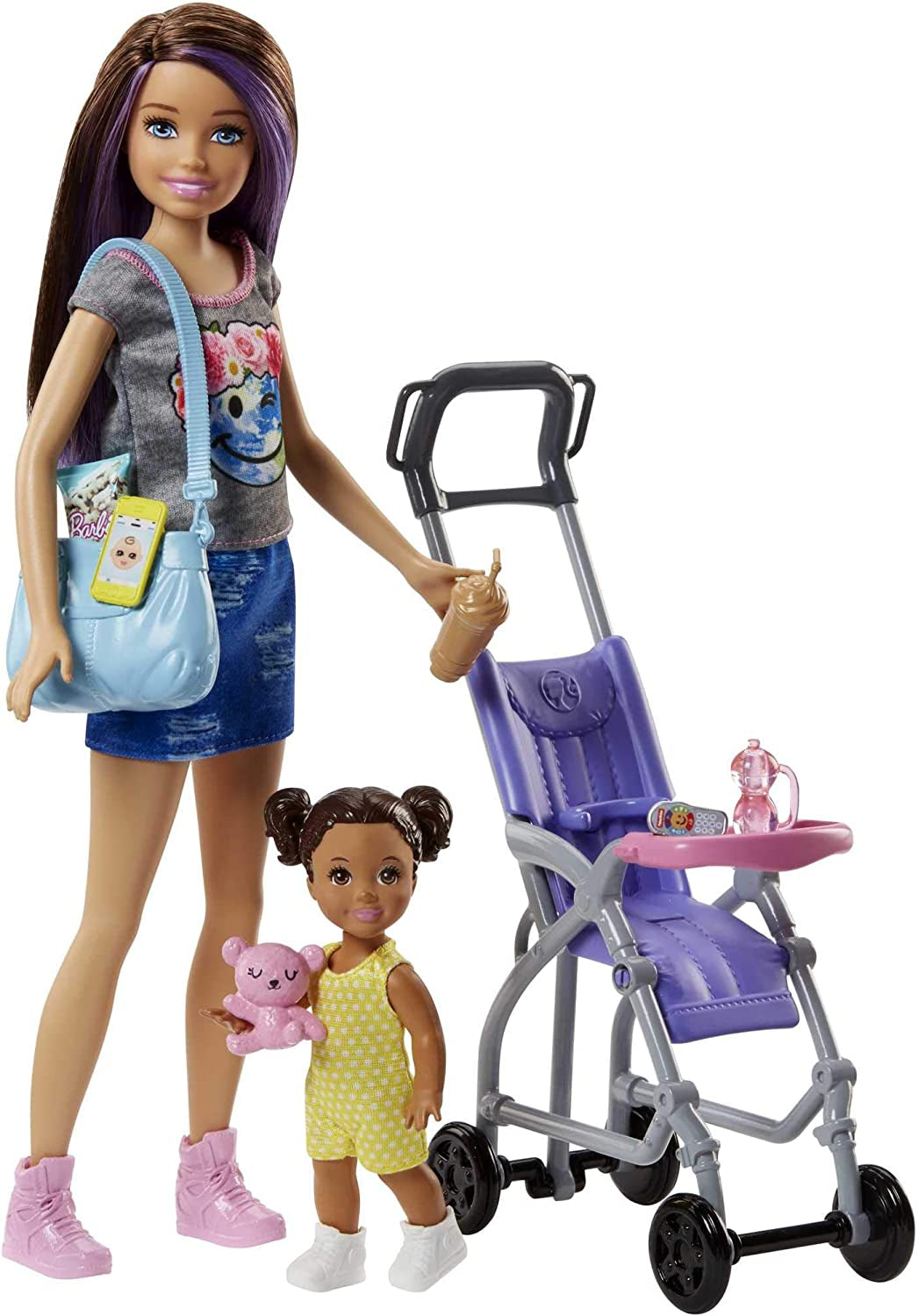
A Barbie Skipper babysitting playset with a toddler doll, stroller and accessories for older children who love storytelling. View product
Easy pretend play ideas at home
- Baby clinic. A doll, a blanket, a feeding set and a toy pram. Add a cardboard box as a cot.
- Café or shop. Tins from the cupboard, paper money and a tea towel as an apron.
- Cleaning day. A toy hoover, a duster and a small cloth. Children genuinely enjoy helping.
- Going on holiday. A small suitcase, a pretend passport and a row of chairs as the plane.
- Vet surgery. Soft toys as patients, bandages from a scarf and a clipboard.
How to encourage pretend play
- Join in, then step back. Play a role at first, then let your child lead.
- Keep props simple. Open-ended items like boxes, scarves and blankets spark more imagination than toys that do everything.
- Make it easy to reach. A low basket with a doll, a pram and a few accessories invites play.
- Talk about it. Ask questions: "Is the baby hungry? Where are you going today?"
- Rotate toys. Swap things in and out every couple of weeks to keep play fresh.
Pretend play when a new baby is on the way
If you are expecting another baby, pretend play is a gentle way to prepare an older sibling. A doll of their own lets them practise the things they will see you doing: feeding, changing, rocking and taking the baby out for a walk. Talk through what will happen as you play, such as "the baby might cry a lot at first" or "we need to be gentle with the baby's head". Many children enjoy pushing their own pram alongside yours once the new baby arrives, which helps them feel included rather than left out. Praise the caring things they do, both with the doll and with their new brother or sister.
Pretend play is for every child
Doll prams, kitchens and hoovers are not just for girls. Many boys love caring for a baby doll, especially when a new sibling is on the way, and role play helps every child practise kindness and responsibility.
See our full Fash N Kolor range, our doll accessories and our guide to choosing a doll pram.