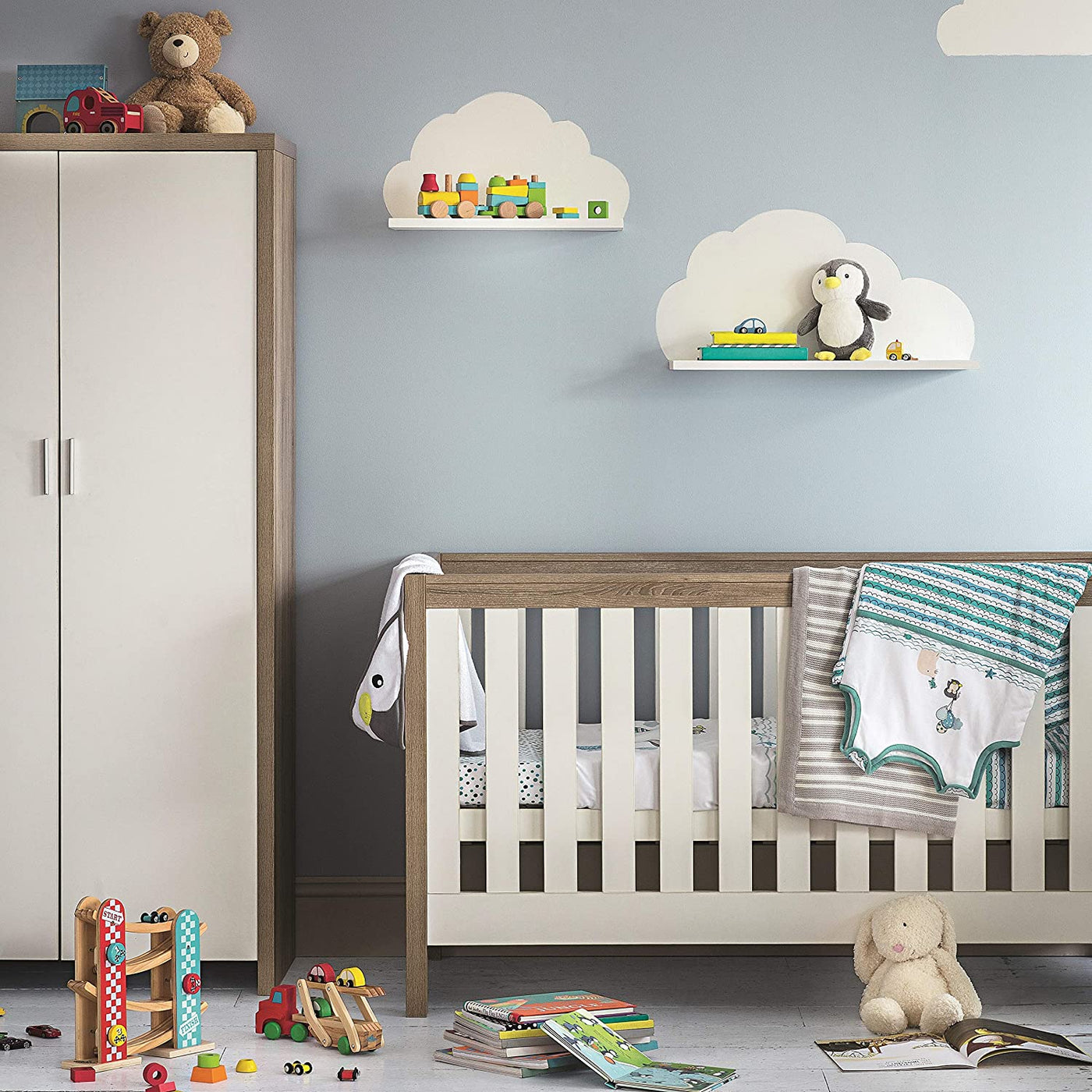
Baby shops can make it feel as though you need a room full of equipment before your baby arrives. The truth is that newborns need surprisingly little: somewhere safe to sleep, a way to travel safely, food, warmth and a lot of nappies. This checklist covers the essentials for the first few weeks, the extras that make life easier and the things that can wait.
Travel
A car seat (essential if you drive)
If you are driving home from hospital, you need a rear-facing baby car seat fitted before the big day. The NHS advises using a new seat where possible, and only accepting a second-hand seat from family or friends if you know its full history. Look for a seat approved to R129 (i-Size) or R44, and practise fitting it in your car in advance. The GOV.UK page on child car seat rules explains the labels, and you can browse our car seats.
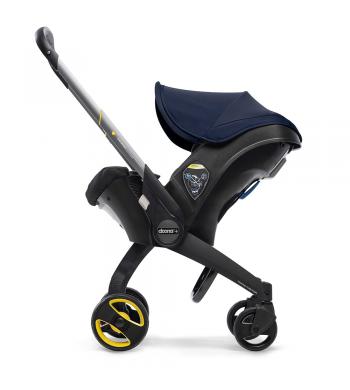
A rear-facing infant car seat with built-in wheels that unfold into a stroller. Popular with city parents and anyone who hops in and out of the car. View product
A pram or pushchair
For a young baby, the NHS says a pushchair is only suitable if the seat reclines fully so your baby can lie flat. A carrycot or lie-flat seat is the safest choice for the early months. If you are unsure which type to buy, read our guide to travel systems, prams and pushchairs.
Nice to have
- A pram organiser or cup holder for your phone, keys and drink.
- A rain cover and an insect net if your pushchair does not come with them.
- A sling or carrier for close contact and quick trips. Always follow the manufacturer's guidance and keep your baby's face visible.
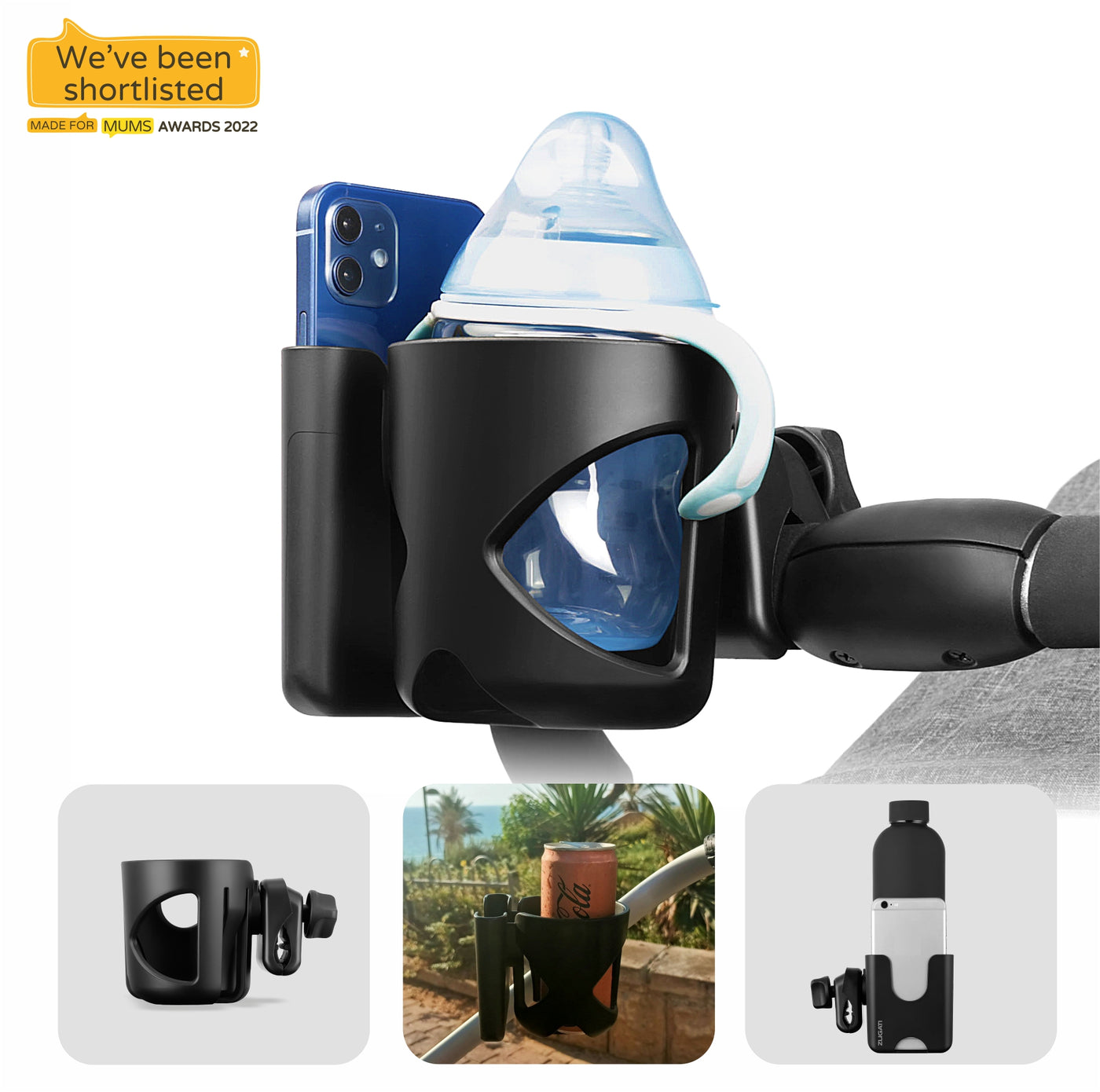
Our award-winning universal cup and phone holder. A small thing that makes every walk easier. View product
Sleep
For the first six months, the NHS recommends your baby sleeps in a cot or Moses basket in the same room as you, on their back, on a firm, flat, waterproof mattress. Keep the cot clear: no pillows, duvets, cot bumpers or soft toys. Our safe sleep guide covers this in more detail.
- A Moses basket, crib or cot with a well-fitting mattress
- Three or four fitted sheets (there will be leaks)
- Cellular blankets or a baby sleeping bag of the right tog for the season
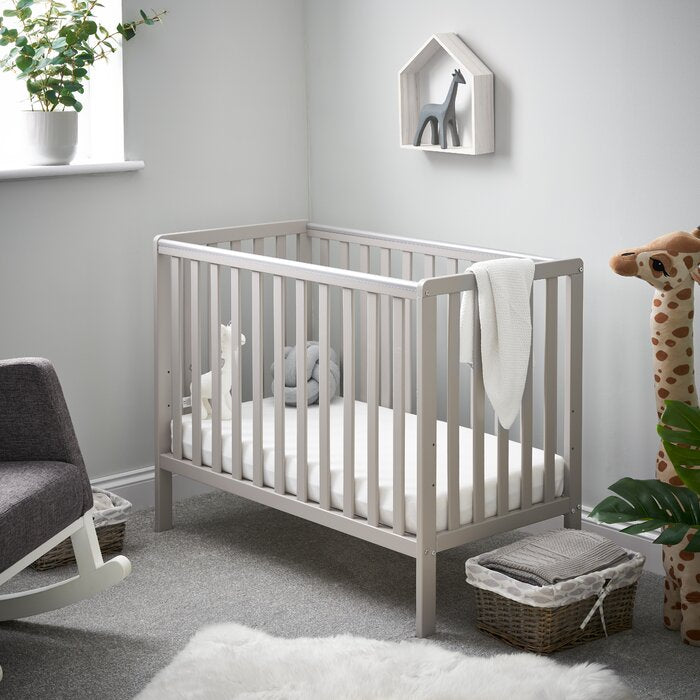
A space saver cot with a mattress included, ideal for smaller bedrooms when your baby sleeps in your room for the first six months. View product
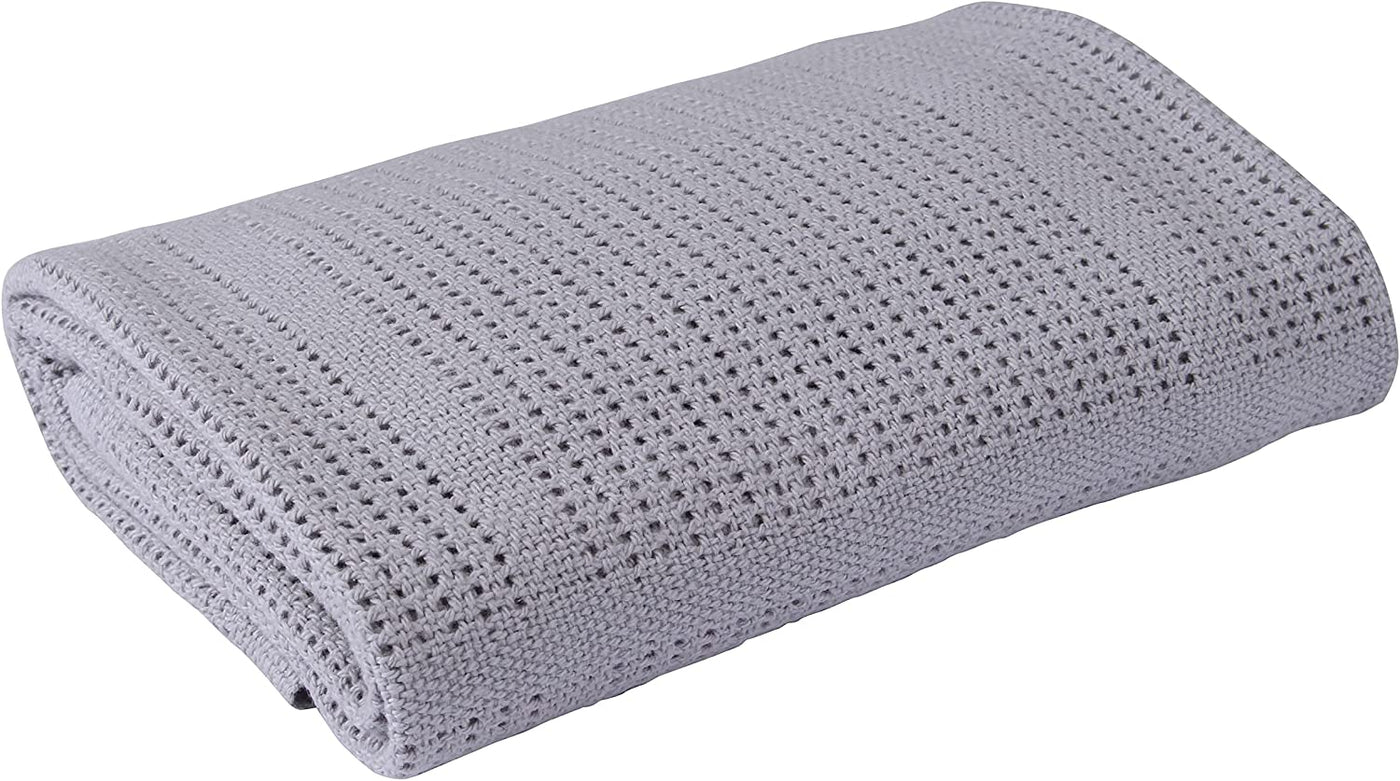
Breathable cellular cotton that layers easily. Tuck it in no higher than your baby's shoulders with their feet at the foot of the cot. View product
The NHS also warns that baby nests and pods are not suitable for sleep because of the risk of suffocation, so skip them for bedtime.
Feeding
If you are breastfeeding
- Two or three nursing bras and breast pads
- Muslin cloths, lots of them
- A comfortable chair and a cushion to support your arms
If you are bottle feeding or combination feeding
- Six to eight bottles and teats
- A steriliser and a bottle brush
- First infant formula (your midwife or health visitor can advise)
Changing and bathing
- Newborn nappies: expect to change 10 to 12 a day at first
- Cotton wool and water, or fragrance-free wipes
- A changing mat (use it on the floor for safety)
- A baby bath or bath support, and two soft hooded towels
Clothes
Babies grow fast, so do not buy too much in newborn size. A good starting point, based on NHS suggestions, is about six sleepsuits, six vests, two cardigans, a soft hat, scratch mitts and socks. Add a snowsuit or pramsuit for winter babies and a sun hat for summer. Choose poppers over buttons and wash everything before use.
Things that can wait
- A cot bed. A smaller cot or Moses basket is fine for now; you can move up later.
- A high chair. Not needed until weaning starts at around six months.
- Lots of toys. Newborns mostly want your face and voice. A cot mobile or a soft rattle is plenty.
- A baby monitor. Useful once your baby sleeps in another room, after six months.
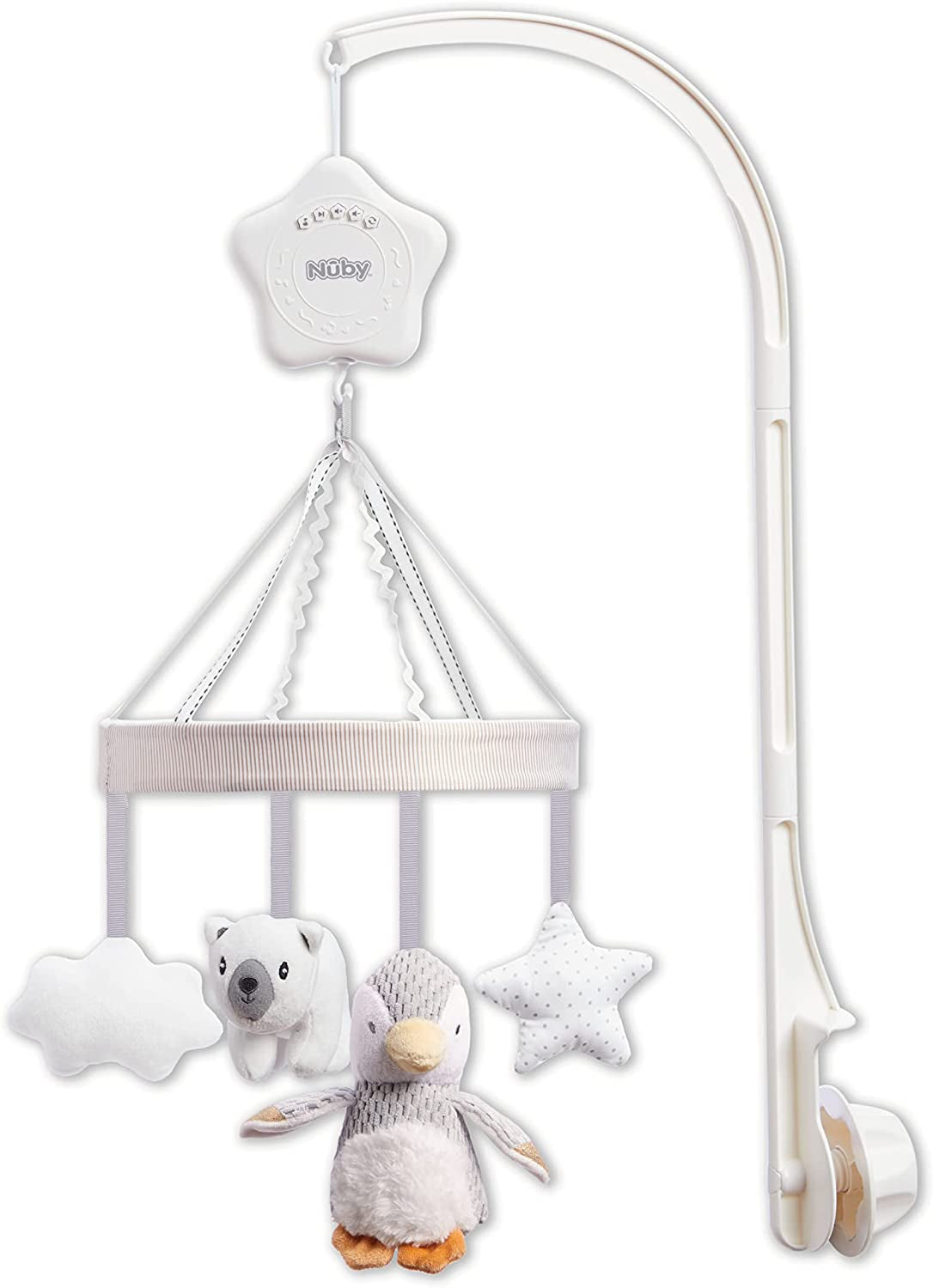
A gentle musical cot mobile with soft characters, five lullabies and volume control. Remove it once your baby can push up on hands and knees. View product
Your hospital bag, in brief
For baby: a car seat, two sleepsuits and vests, a hat, nappies and a blanket. For you: comfortable clothes, maternity pads, snacks, a long phone charger and your maternity notes. Your midwife will give you a local list too.
If you have questions about what your baby needs, your midwife and health visitor are the best people to ask. For everything else, browse our nursery range or send us a message.