Playing with a baby can feel a bit strange at first. They cannot hold a toy, they sleep most of the day and their main interest seems to be your face. But that is exactly where play starts. Every chat, song and cuddle is helping your baby learn. As the months go by, play becomes more physical and more fun for both of you. Here are simple ideas for each stage of the first year.
Every baby develops at their own pace, so treat the ages below as a rough guide rather than a timetable. If you have any worries about your baby's development, talk to your health visitor.
Newborn to 3 months: faces, voices and tummy time
Newborns can focus best on things about 20 to 30cm away, roughly the distance to your face during a feed. They love faces, voices and strong contrast.
Play ideas
- Chat and copy. Talk about what you are doing, then pause and wait. If your baby makes a sound or pulls a face, copy it back.
- Tummy time. The NHS suggests starting tummy time from birth, little and often. You can begin with your baby lying on your chest while you are wide awake, then move to the floor as they get stronger.
- High contrast. Black, white and bold patterns are easiest for young eyes to see.
- Gentle sounds. A soft rattle shaken to one side encourages your baby to turn towards the sound.
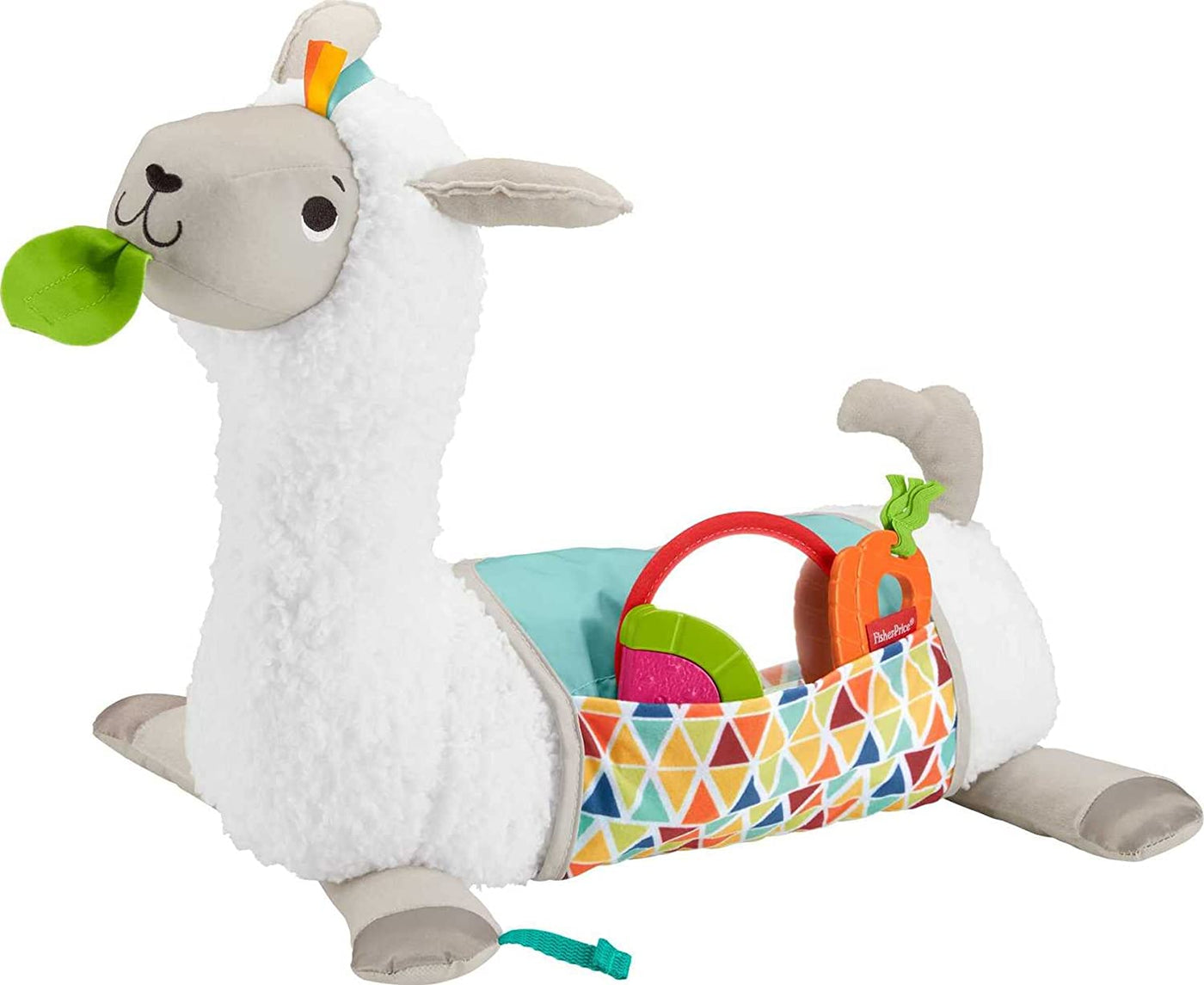
A soft tummy time wedge with a mirror, teether and rattle. It makes floor time more comfortable and interesting for your baby. View product

An easy-to-hold rattle with crinkly wings and textured feelers, ideal for newborn sensory play. View product
3 to 6 months: reaching, grabbing and laughing
Around this time many babies start to reach for things, bring their hands together and laugh out loud. Everything goes in their mouth, which is how they explore.
Play ideas
- Reach and grab. Hold a toy just within reach and let your baby swipe at it.
- Pram toys. A clip-on toy gives your baby something to look at and bat on walks.
- Peekaboo. Hide your face behind your hands or a muslin. The surprise never gets old.
- Mirror play. Babies love looking at the "other baby" in a mirror.
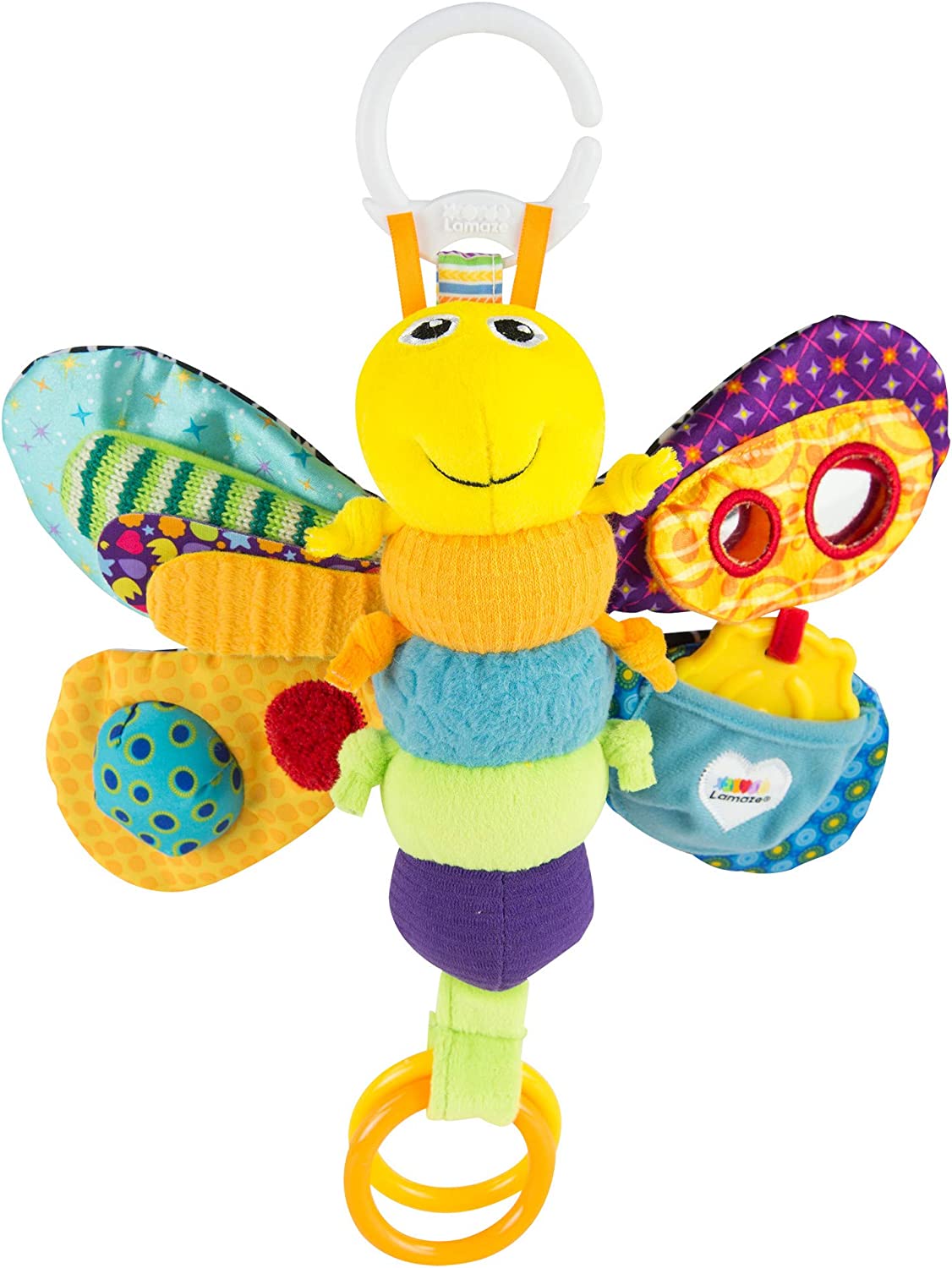
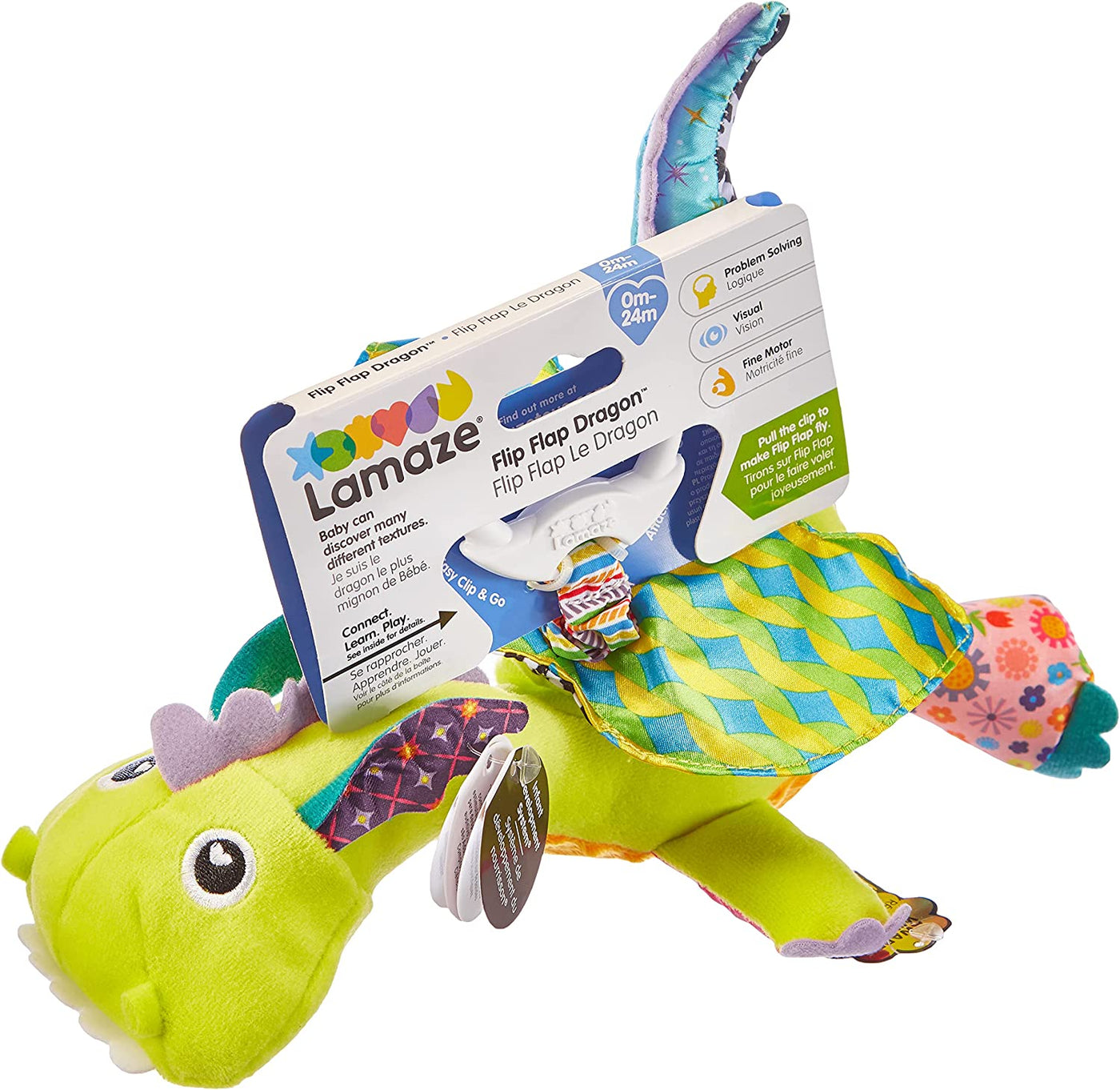
Pull the cord to make the wings flap. Six textures to explore and a clip for the pram or car seat. View product
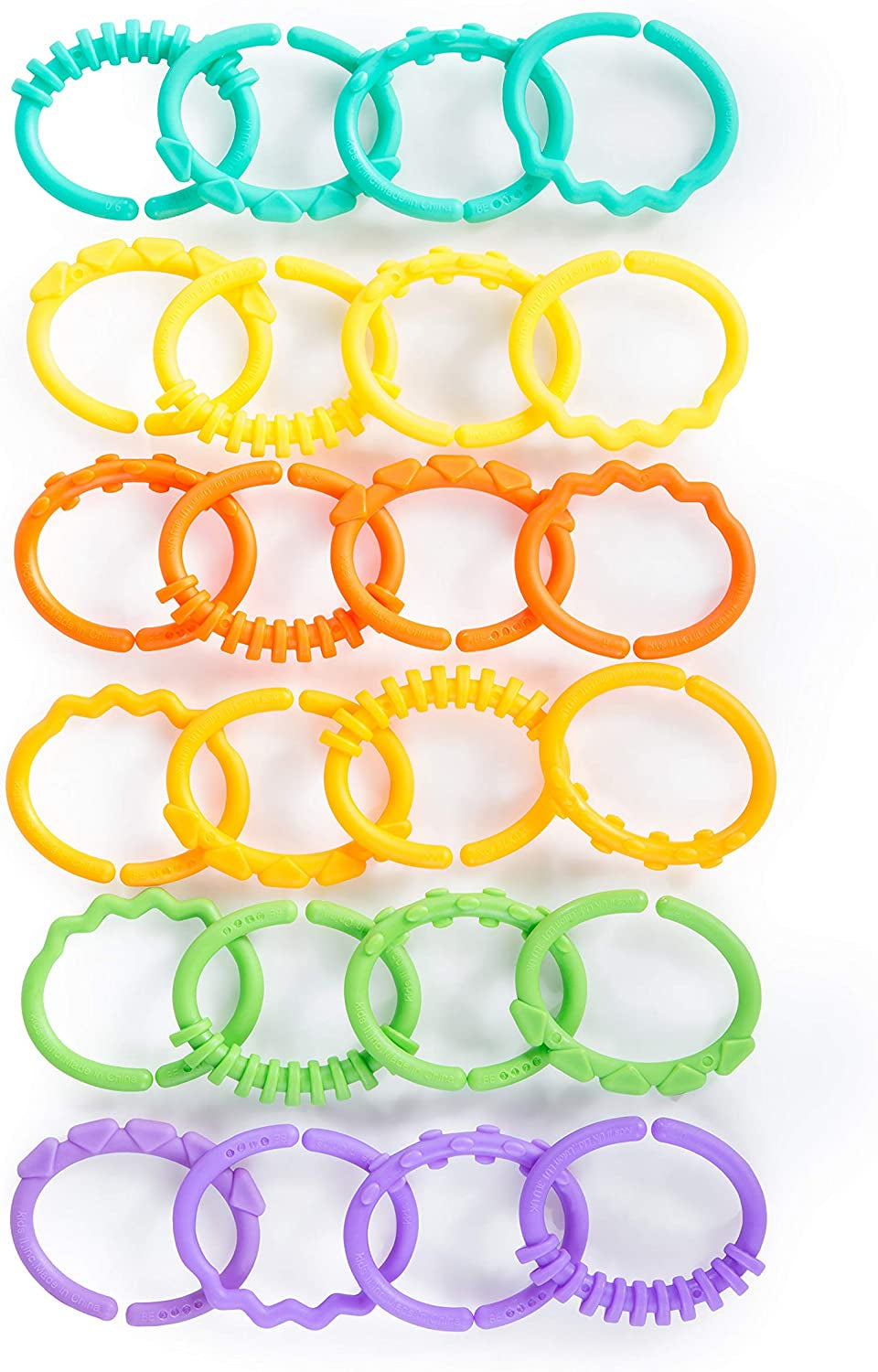
Colourful links you can use to attach toys to the pram, play gym or high chair, and great for teething babies to hold. View product
Remember that bouncers and baby seats are useful, but the NHS recommends keeping time in walkers, bouncers and seats short, no more than 20 minutes at a time. Floor play is best for building strength.
6 to 9 months: sitting, rolling and cause and effect
Many babies learn to sit with support, then on their own, during these months. Rolling, shuffling and the first attempts at crawling follow. Babies now love cause and effect: press a button, something happens.
Play ideas
- Treasure basket. Fill a shallow basket with safe household objects of different textures, such as a wooden spoon, a soft brush and a scrunched-up scarf. Always supervise and avoid anything small enough to choke on.
- Drop it. Your baby drops a toy, you pick it up, repeat. It is how they learn about gravity and that things still exist when they disappear.
- Songs with actions. Row, row, row your boat and Round and round the garden.
- Activity toys. Toys with spinning parts, beads and buttons keep curious hands busy.
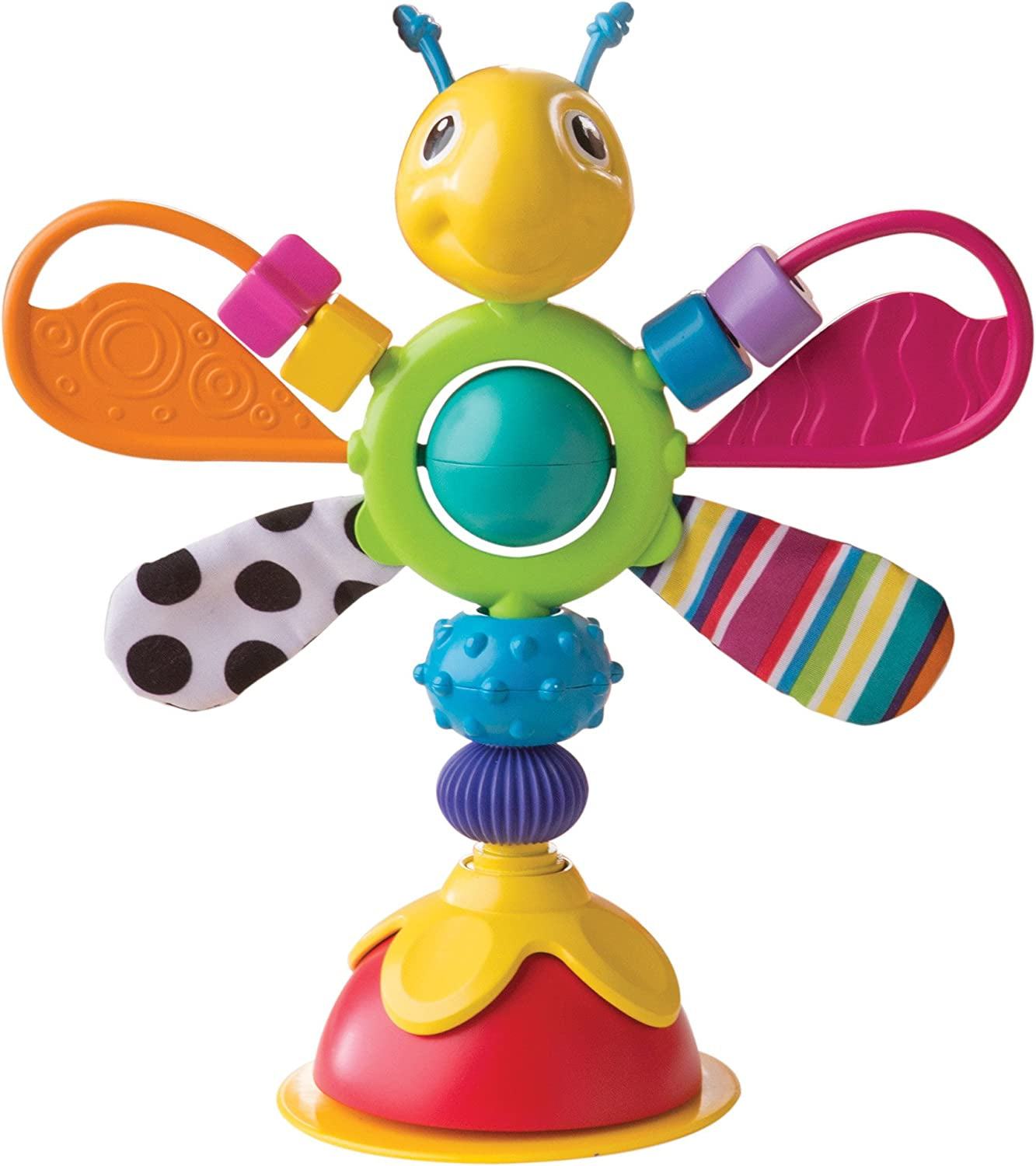
A tabletop toy with spinning parts, beads and knobbly rings that suction-fixes to the high chair tray or table. View product
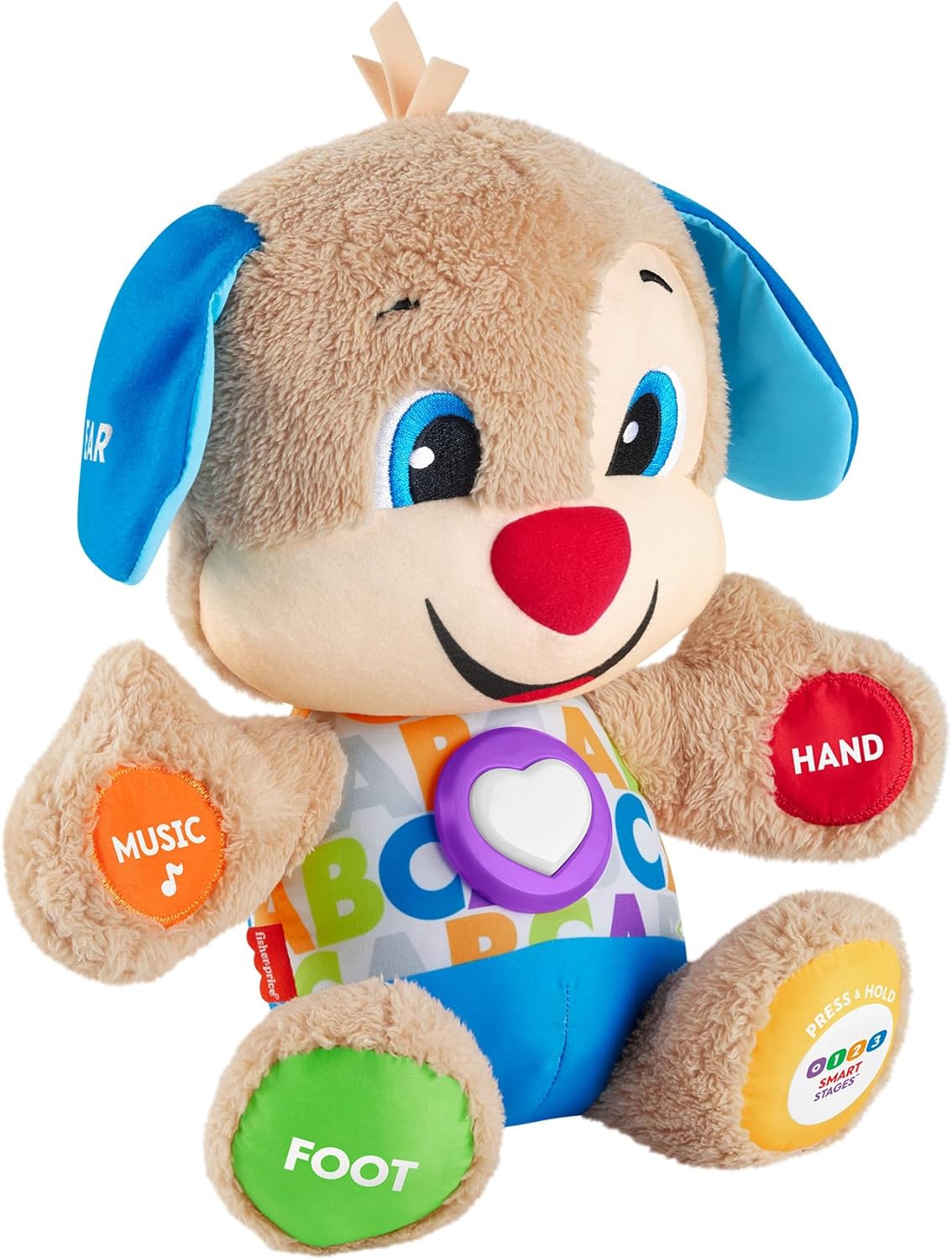
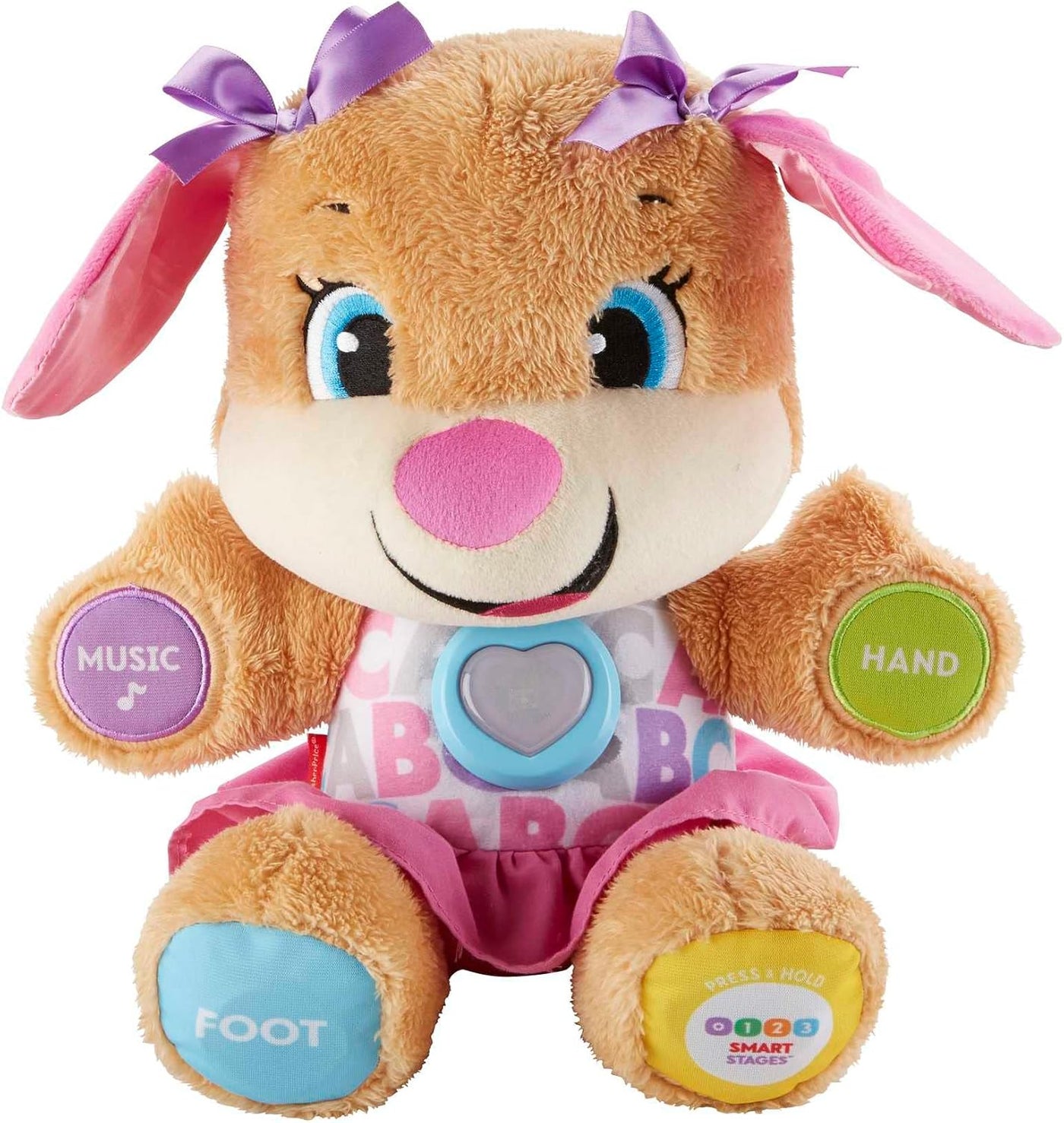
A cuddly puppy that sings, lights up and teaches first words, with content that changes as your baby grows. View product
9 to 12 months: crawling, pulling up and first words
Babies are on the move now. Many crawl, pull themselves up on furniture and "cruise" along the sofa. Some say their first word. Play becomes more social, with lots of pointing and showing.
Play ideas
- Obstacle course. Cushions on the floor to crawl over and a tunnel made from a blanket over two chairs.
- Push-along play. A sturdy push-along toy gives confidence to babies pulling up to stand.
- Books together. Point at the pictures and name them. Lift-the-flap books are a big hit.
- Pretend play begins. Many babies start to copy everyday actions, like stirring a spoon or holding a phone to their ear.
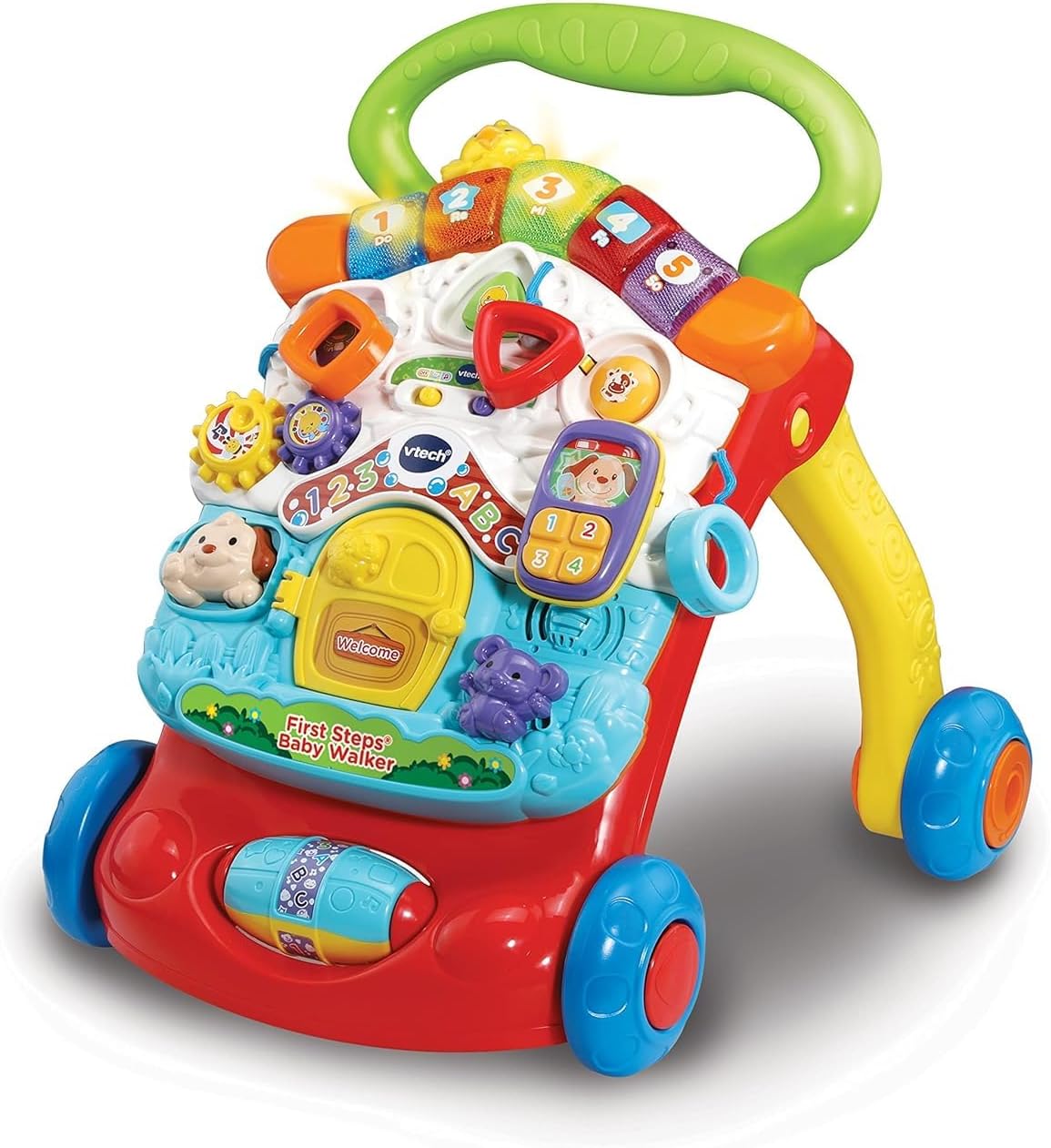
A sit-down activity panel that turns into a sturdy push-along walker for babies who are pulling up to stand. View product
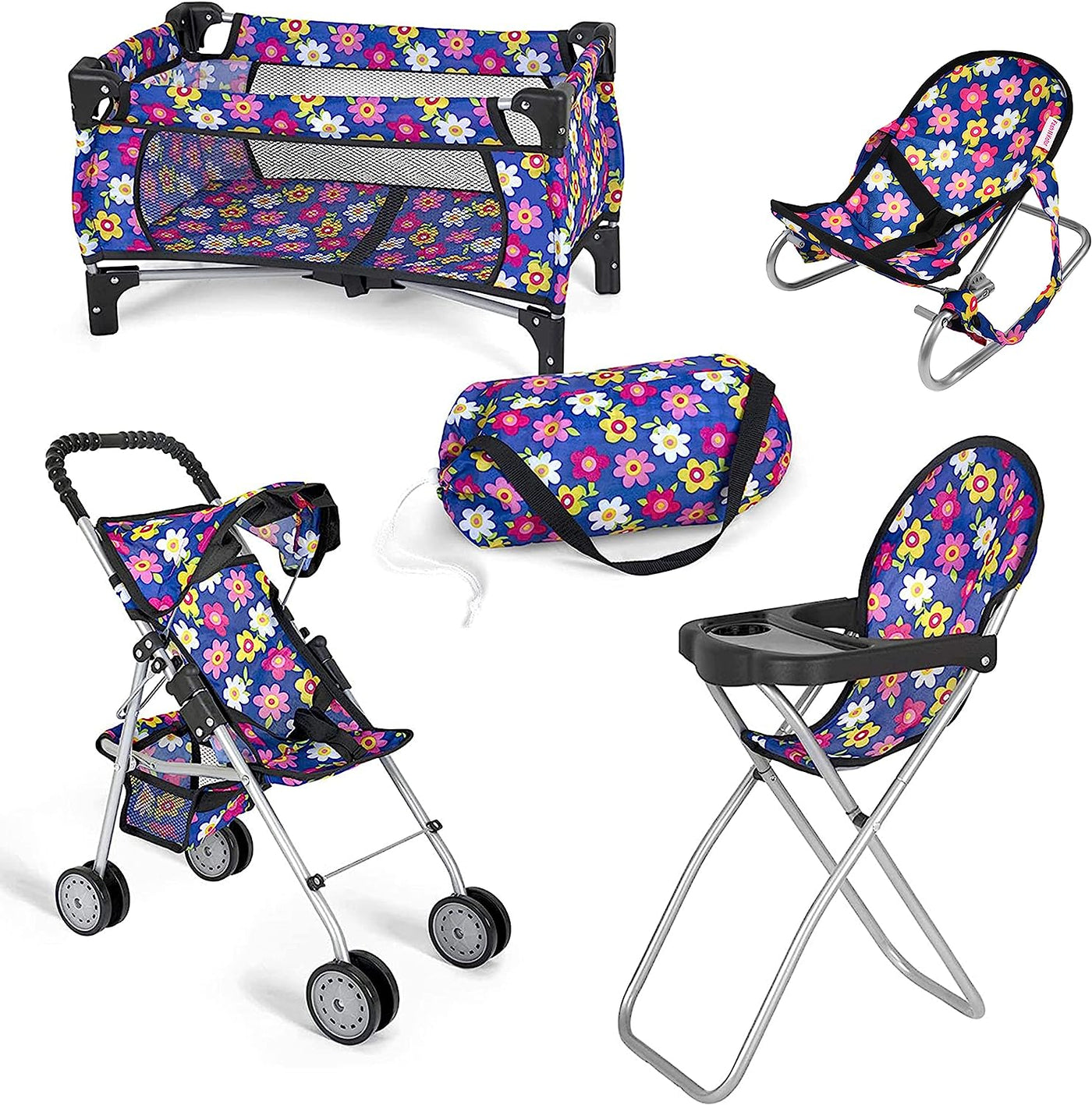
As your baby heads into toddlerhood, pretend play really takes off. Our pretend play guide has ideas for the next stage, including our own Fash N Kolor doll prams and play sets for little ones who love to copy.
-
Our brand
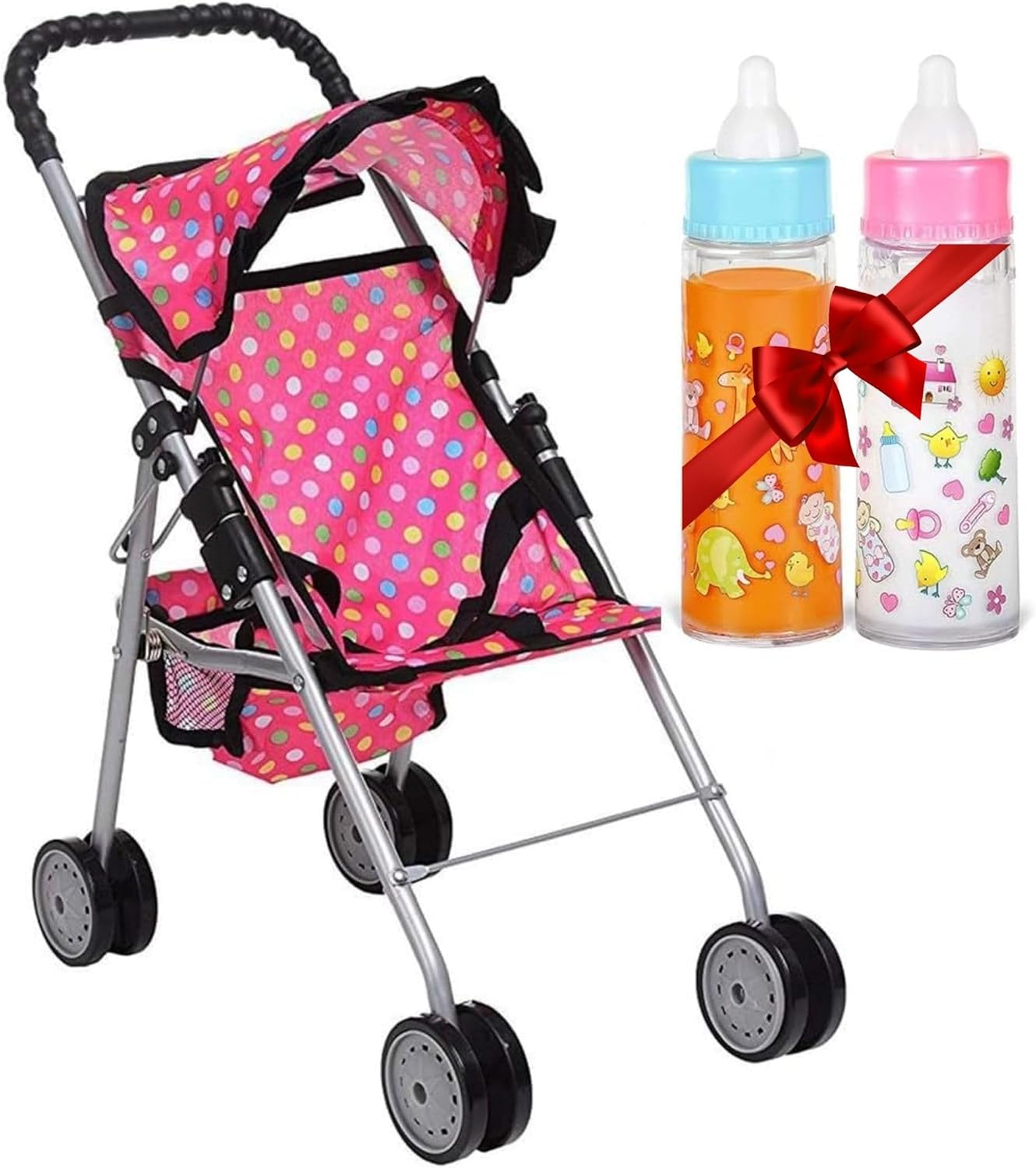
Fash N Kolor
Fash N Kolor Doll Stroller with Basket
£25.99
Dispatched within 1 working day
A lightweight first doll stroller from our own Fash N Kolor range, for toddlers who are walking confidently. View product
Keeping play safe
- Check the age mark on toys and keep small parts away from babies.
- Supervise tummy time and floor play, and never leave your baby alone on a raised surface.
- Check toys regularly for loose parts, broken seams or worn straps.
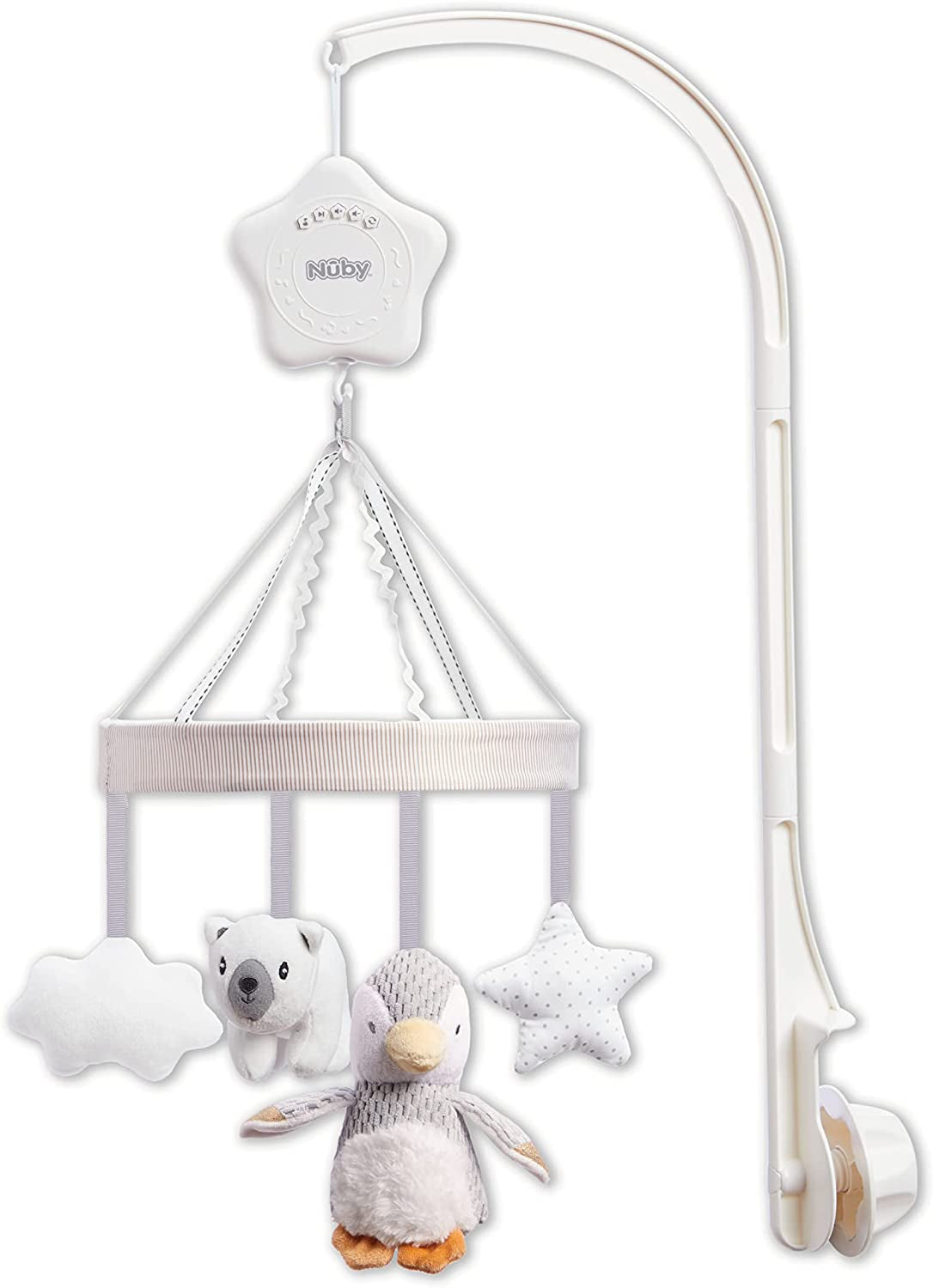
- Remove cot mobiles once your baby can push up on hands and knees.
Browse our pram and baby toys or read about first birthday ideas.